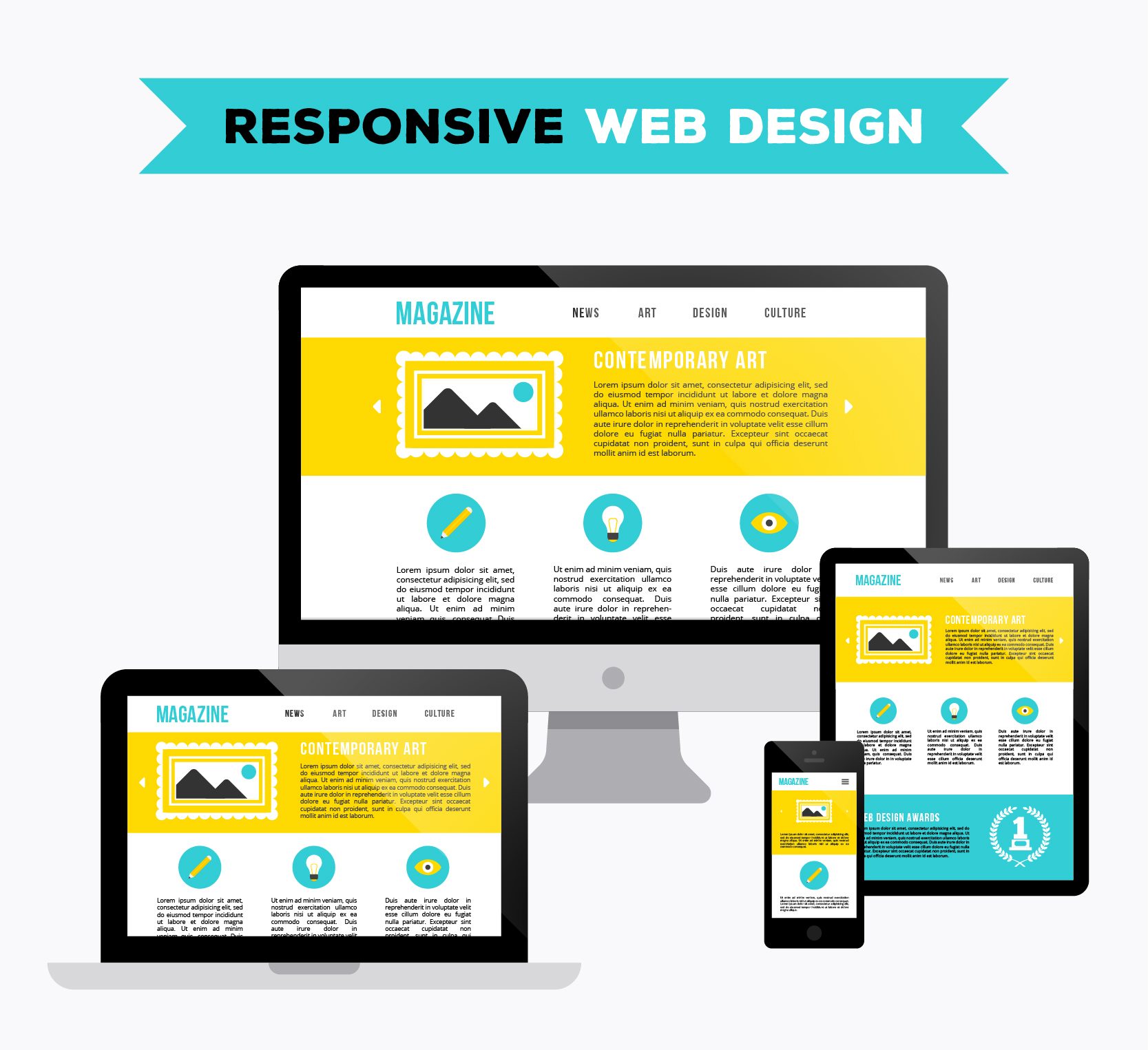
Creative web design projects you create should aim to be accessible and provide quick information to potential users, following specific steps. Web design is a meticulous process both technically and aesthetically, and it requires effective use of imagination. Designers channel their creativity into forms that meet users’ needs, creating effective and attractive websites.
The primary goal of web design is to meet users’ needs and provide them with the best experience. However, the importance of creative and innovative design is also significant. This is where ‘creative web design’ comes into play. Creative web design goes beyond traditional web design approaches, combining aesthetics and functionality. Such designs aim to create engaging, impactful, and memorable experiences for users.
So, how do web design processes progress, and what is creative web design? The process of creative web design consists of several stages. First, an analysis of user needs and target audience is conducted. Based on these analyses, the design’s purpose, colors, typography, and other visual elements are determined. Then, prototypes and drafts are created to establish the general structure of the design. At this stage, creative elements and innovative ideas come into play. Finally, the design is tested, and improvements are made based on feedback.
The fundamental feature of creative web design is to go beyond the ordinary and offer creative solutions that exceed users’ expectations. Such designs strengthen the brand’s digital identity by prioritizing aesthetic values and user experience, providing visitors with a unique experience.
What is Web Design?
Web design is a comprehensive process that ensures websites provide users with an aesthetic, fast, and functional experience through the use of software and coding. This process involves both the visual and functional aspects of creating and optimizing websites effectively.
Advanced web design offers user-friendly interfaces that can be easily accessed through any browser, without requiring technical knowledge. Good web design ensures that visitors can quickly and seamlessly find the information they are looking for. This means providing both an aesthetically pleasing experience and high-performance usability.
What is Creative Web Design and How is it Created?
Errors and overlooked details in website design can hinder designers in the creative web design process. Creative web design not only provides visually appealing aesthetics but also ensures a user-friendly and comprehensible site layout. Therefore, both aesthetics and functionality must be considered throughout the design process.
Creative web design aims to offer users a visually impressive experience while also considering ease of use and accessibility. The website’s design should allow users to access the site effortlessly without requiring technical knowledge. This necessitates a balance between aesthetic appeal and functionality.
For professional web design, designers need to effectively use modern design programs and tools, as well as possess a high level of creativity. These skills help generate creative and effective solutions at every stage of the design process. As a result, the website becomes an attractive visual platform and a functional space for user experience.
Important Tips for Creative Web Design
- Use Graphics to Grab Attention
Well-placed and functional graphics will create a memorable appearance for your site. This increases your chances of turning site visitors into repeat visitors. By integrating your site’s graphics into a cohesive design template, you can help visitors connect with your site.
- Have a Simple Yet Deep Structure
Your website will be globally accessible, reaching users of all races, ages, and genders. Creative web design requires you to create a layout that is accessible to everyone. The symbols, links, header sizes, visuals, and on-site advertisements you use should not overwhelm your visitors. For effective creative web design, consider ensuring that your visitors have a comfortable experience and clearly mark frequently used areas on your site. For example, elements such as the menu bar, search bar, and homepage should be easily accessible on every page.
- Conduct Sector Analysis Accurately
When creating a creative web design, you should thoroughly analyze the sector and your competitors. Review examples of web designs within the sector and consider the structures of award-winning designs for inspiration. Reflect on your own website usage habits, visual preferences, and manual interactions. Afterward, research how you can differentiate yourself from your competitors and begin taking steps toward your creative web design.